
How long does a puncture repair last
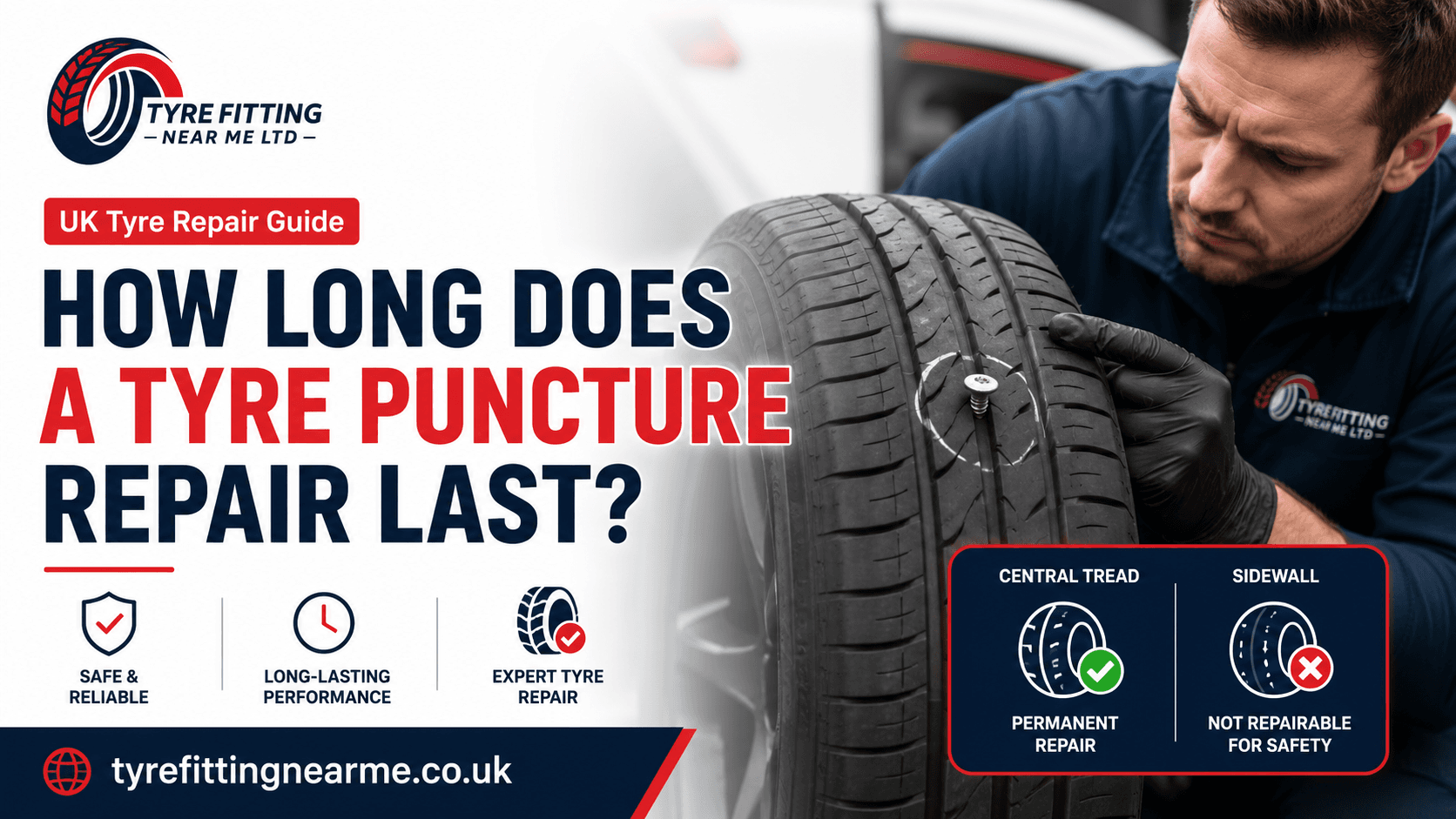
A professionally fitted internal combination plug-patch can potentially last for the remaining usable life of a tyre when the puncture sits in a repairable tread area and the tyre has no structural damage. External plugs, string plugs and tyre sealants should be treated as temporary fixes until a technician removes and inspects the tyre.
Repair lifespan depends on the repair method, puncture location, damage size, tyre condition and installation quality. A small central-tread puncture may qualify for permanent repair, while sidewall damage, excessive puncture size or internal damage may require tyre replacement. Drivers who still need to establish whether their damage qualifies can read our guide on can a puncture be repaired.
How Long Do Different Tyre Puncture Repairs Last?
Different tyre puncture repairs have different lifespans because each method treats the puncture differently. A professional internal plug-patch can potentially remain effective for the tyre's remaining usable life, while an external plug or sealant should not be treated as an equivalent permanent repair. Repair duration therefore starts with identifying the repair method and confirming that the damaged tyre was suitable for repair.
Repair TypeApplicationRepair StatusExpected UseCombination plug-patchInstalled internally after tyre removal and inspectionPotentially permanentCan remain effective for the tyre's remaining usable life when correctly fitted to repairable damageInternal patchApplied to the inner linerMethod-dependentDurability depends on the complete repair method and puncture conditionExternal rope or string plugInserted through the puncture from outsideTemporaryProvides temporary sealing before professional inspectionTyre sealant or foamIntroduced through the valveEmergency solutionProvides temporary mobility according to the product instructions
How Long Does a Tyre Plug Last?
An external tyre plug has no reliable universal lifespan because puncture size, plug installation, tyre condition, temperature and road use affect its durability. Some plugs may continue holding air for a considerable period, but air retention does not convert an external repair into a professionally verified permanent repair.
An external plug also leaves the internal tyre structure unexamined when the tyre remains mounted on the wheel. Internal casing damage, liner damage or evidence of driving while underinflated can therefore remain hidden. A technician should inspect the tyre before the driver relies on an external plug for normal long-term use.
How Long Does a Tyre Patch Last?
An internal tyre patch can provide durable sealing when the repair method suits the puncture and the tyre remains structurally sound. A patch seals the inner surface of the tyre, but a patch alone should not automatically be treated as identical to a combination plug-patch that also fills the puncture channel.
Repair terminology can also vary between workshops. A driver who sees the word "patch" on a repair invoice should confirm which repair system the technician installed. The repair method determines whether the tyre received a complete permanent repair or a more limited treatment.
How Long Does a Plug-Patch Repair Last?
A correctly fitted plug-patch can potentially last for the remaining usable life of a tyre when the puncture qualifies for repair and the tyre has no hidden structural damage. The internal patch seals the inner liner while the stem seals the penetration channel, giving the repair two related sealing functions.
Remaining usable life does not mean unlimited mileage or permanent tyre life. Tread wear, ageing, cracking, new punctures and later structural damage can still make the tyre unsuitable for service even when the original puncture repair continues holding pressure.
How Long Does Tyre Sealant Last?
Tyre sealant provides temporary mobility rather than a permanent puncture repair. Individual sealant products can carry specific speed, distance and usage restrictions, so the instructions supplied with the exact repair kit should determine how the vehicle is used after application.
A technician should know that sealant has been used before removing and inspecting the tyre. Sealant residue can affect inspection, cleaning and subsequent repair procedures, which makes professional assessment the next step after emergency mobility has been restored.
What Makes a Tyre Puncture Repair Permanent?
A tyre puncture repair becomes a permanent service repair when the tyre qualifies for repair, the technician removes it from the wheel, the internal structure passes inspection and an appropriate repair unit seals the damage correctly. The inspection separates a simple tread penetration from hidden casing, liner or sidewall damage that could prevent safe continued service.
British Standard BS AU 159 provides the recognised UK framework for minor tyre repairs. The standard makes repair eligibility part of the repair process because no repair method can restore structural integrity to damage that already makes the tyre unsuitable for service.
What Is a Combination Plug-Patch Repair?
A combination plug-patch is an internal puncture repair that seals both the penetration channel and the tyre's inner liner. The stem fills the path created by the nail, screw or road debris, while the patch portion seals the air-retaining inner surface around the injury.
A professional technician needs internal access before fitting this type of repair. Drivers who need an eligible puncture repaired at home, work or another safe location can use our mobile puncture repair service for assessment and repair.
What Is the Difference Between a Tyre Plug and a Plug-Patch?
An external tyre plug enters the puncture from outside the mounted tyre, while a plug-patch requires tyre removal and internal access. The external method can stop air loss without revealing the condition of the casing and inner liner, while an internal repair follows an inspection of the damaged tyre.
The repair methods therefore differ by more than repair material. Installation position, tyre removal, internal inspection and repair coverage all influence whether a technician can classify the completed repair as suitable for long-term use.
Why Does an Internal Tyre Repair Last Longer Than an External Plug?
An internal repair can provide greater long-term reliability because the technician examines the tyre before sealing both the internal surface and penetration path. External plug installation can restore pressure without establishing whether low-pressure driving damaged the surrounding structure.
Internal inspection therefore creates the missing diagnostic layer. The technician can identify casing damage, liner deterioration, damaged cords, previous repairs or other conditions before committing the tyre to continued service.
When Can a Tyre Puncture Be Repaired?
A tyre puncture can be repaired when the damage lies inside the permitted tread repair area, the puncture remains within the applicable size limit and the tyre retains safe structural condition. The technician must also assess tread depth, sidewall condition, previous repairs and any damage caused by driving with insufficient pressure before approving a permanent repair.
Repair FactorRepair May Be PossibleReplacement Becomes More LikelyPuncture locationDamage sits within the permitted central tread areaDamage reaches the shoulder or sidewallDamage sizeSmall puncture remains within the applicable minor repair limitHole, split, cut or gouge exceeds repair limitsInternal conditionCasing and inner liner remain structurally soundInspection reveals casing, cord or liner damageFlat drivingNo consequential internal damage appearsLow-pressure driving damaged the sidewall or casingPrevious repairsExisting repairs remain safely separatedDamage overlaps or compromises an existing repairOverall tyre conditionTyre retains serviceable tread and sound rubberTyre shows excessive wear, bulges, cords, cracking or deterioration
Can a Central Tread Puncture Be Repaired?
A small puncture within the permitted central tread repair area can often qualify for professional repair when the remaining tyre condition also passes inspection. The tread gives the technician a more stable repair zone than the flexible shoulder and sidewall areas.
Location does not decide repairability by itself. Hole size, tyre condition, tread depth, previous repairs and internal damage must also pass assessment before the technician approves the tyre for continued use.
What Size Tyre Puncture Can Be Repaired?
A minor puncture of approximately 6 mm or less can fall within common UK passenger-car repair criteria when the damage sits in the permitted tread area. The 6 mm measurement does not guarantee repair because damage shape, preparation size, tyre construction and internal condition still affect the technician's decision.
A narrow nail hole can therefore qualify when a similarly sized injury near the shoulder cannot. Repair eligibility depends on several attributes working together rather than one diameter measurement.
Can a Tyre Be Repaired After Driving Flat?
A tyre can only be repaired after low-pressure or flat driving when internal inspection confirms that the casing, liner and sidewall remain structurally sound. The vehicle's weight can compress an underinflated sidewall between the wheel and road, which can create damage that remains invisible from outside.
A driver should tell the technician whether the tyre was driven after pressure loss. That history helps the fitter inspect the areas most likely to have experienced abnormal heat, flexing or structural stress.
Can a Tyre Be Repaired More Than Once?
A tyre can sometimes receive more than one puncture repair when each damage point remains inside the repairable area and the combined repair pattern does not compromise tyre integrity. The number of repairs alone cannot establish eligibility because location, spacing, previous repair quality and overall tyre condition change the decision.
New damage close to an existing repair needs particular attention because repair units should not create unsafe overlap. A technician should examine both the previous work and the new puncture before approving another repair.
When Does a Punctured Tyre Need Replacing?
A punctured tyre needs replacement when the damage affects an unsuitable location, exceeds the repair limit or compromises the tyre's structure. Sidewall damage, shoulder damage, internal casing damage, unsafe previous repairs, severe deterioration and damage caused by driving flat can all prevent a permanent puncture repair.
Replacement TriggerWhy Repair May Be UnsuitableRecommended ActionSidewall damageThe sidewall flexes heavily and carries structural loadHave the tyre assessed for replacementShoulder damageThe shoulder lies outside the standard central repair areaReplace when the damage fails repair criteriaOversized punctureThe damaged area exceeds minor puncture repair limitsFit a suitable replacement tyreInternal structural damageA puncture repair cannot restore damaged casing or cordsReplace the structurally compromised tyreUnsafe previous repairExisting repair position or quality prevents another safe repairUse technician assessment to determine replacementWorn or deteriorated tyreRepairing the hole cannot restore worn tread or degraded structureReplace the tyre when the tyre itself is no longer serviceable
Can a Sidewall Puncture Be Repaired?
A standard minor puncture repair does not apply to sidewall damage because the sidewall performs a flexible structural role during driving. The sidewall repeatedly changes shape under load, which makes the area fundamentally different from the central tread repair zone.
A small sidewall hole therefore should not be judged by diameter alone. Location changes the structural consequences of the same puncture, which makes tyre replacement the normal outcome when sidewall damage prevents a safe repair.
Can a Shoulder Puncture Be Repaired?
A shoulder puncture normally falls outside the standard central tread repair area. The shoulder creates the transition between the tread and flexible sidewall, so repair criteria treat damage in that region differently from a small penetration near the centre of the tread.
A technician should identify the exact position before promising a repair. A puncture that appears close to the tread edge from outside can prove unsuitable when the tyre is removed and the complete injury path becomes visible.
Can a Worn or Aged Tyre Still Be Repaired?
A worn or deteriorated tyre may require replacement even when the puncture itself meets repair criteria. UK cars and light vans require at least 1.6 mm of tread across the central three-quarters of the tread and around the tyre's circumference, while cracking, bulging and exposed cords can create separate safety failures.
A puncture repair cannot reverse existing tread wear or rubber deterioration. Drivers deciding whether an older tyre still represents sensible value can also compare part-worn vs new tyres before choosing the replacement route.
Should I Replace a Plugged Tyre?
An externally plugged tyre should receive professional inspection before the driver treats the repair as permanent. A small central-tread puncture may still qualify for a compliant internal repair when the tyre remains structurally sound, while sidewall or internal damage may require replacement.
A technician can therefore convert the question from "Is the plug still holding?" to "Is the tyre structurally suitable for a permanent repair?" That distinction prevents temporary air retention from becoming the only repair criterion.
How Do I Know What Type of Puncture Repair I Have?
You can identify your tyre repair most reliably from the repair process, workshop record or technician's confirmation. A permanent internal repair normally involves tyre removal and internal inspection, while an external string plug can be installed without removing the tyre. Sealant enters through the valve and creates another distinct repair category. The repair method determines the appropriate lifespan expectation.
Check whether the fitter removed the tyre from the wheel.
Check whether the invoice identifies a plug-patch, mushroom repair, patch or external plug.
Ask whether the inner liner and casing received an internal inspection.
Confirm whether liquid sealant or tyre foam was used before the workshop repair.
Ask the original fitter to confirm the repair method when the invoice only says "puncture repair".
How Do I Know Whether I Have a Tyre Plug or Plug-Patch?
The installation process provides the clearest distinction between an external plug and an internal plug-patch. An external plug can enter the puncture while the tyre stays on the wheel, while an internal combination repair requires the technician to access the tyre's inner surface.
Drivers should not pull, probe or disturb an existing repair to identify the method. The service record or technician can provide safer confirmation without creating additional damage around the original puncture.
Does a Professional Puncture Repair Require Tyre Removal?
A professional permanent puncture repair requires tyre removal because the technician needs to inspect the tyre internally before approving the repair. External inspection cannot reveal every form of liner, casing, cord or low-pressure damage that can affect continued tyre service.
Tyre removal therefore serves two purposes. The technician gains access for the internal repair and verifies that the tyre still provides a suitable structure for that repair to support.
Can You Drive Normally After a Puncture Repair?
Normal driving can resume after a valid professional repair when the technician confirms that the tyre remains serviceable, the repair seals correctly and no repair-specific restriction applies. Temporary external plugs and sealants require different treatment because they do not establish the same permanent repair status. Driving limits therefore depend on repair type rather than the puncture alone.
Repair StatusNormal DrivingMotorway or Long JourneyNext ActionApproved professional repairNormal service can resume when the tyre passes final checksNormal road use can resume when no repair-specific restriction appliesContinue regular pressure and condition checksExternal string plugDo not assume permanent repair statusGet the tyre professionally assessed firstArrange internal inspectionSealant or foamUse according to emergency product instructionsDo not treat sealant as a permanent motorway repairArrange professional assessmentRepair with renewed pressure lossInvestigate the cause before continued useAvoid relying on the tyre until the leak source is diagnosedCheck puncture, valve, wheel and repair condition
How Far Can You Drive After a Puncture Repair?
A professionally repaired tyre does not require one universal post-repair mileage limit when a technician has approved a permanent repair and confirmed that the tyre remains serviceable. Emergency plugs, sealants and temporary mobility systems follow different restrictions and should be used according to the repair product or vehicle manufacturer's instructions.
A driver should therefore identify repair status before searching for a mileage number. Permanent repair returns an eligible tyre to service, while emergency repair only supports temporary movement toward professional assistance.
Can You Drive on the Motorway After a Puncture Repair?
A professionally repaired tyre can return to normal road use when the technician confirms that the tyre remains serviceable and no specific operating restriction applies. An external plug, tyre foam or unverified repair should not receive the same assumption because its long-term repair status remains uncertain.
A driver stranded with tyre damage rather than a completed permanent repair should prioritise safe positioning before tyre work begins. Our 24/7 emergency tyre fitting service supports drivers who need tyre assistance at home, work or a safe roadside location.
Can You Drive Immediately After a Tyre Repair?
A completed professional puncture repair can normally return to service after the technician has refitted the tyre, restored the correct pressure and completed final checks. Emergency sealants and temporary repair products follow their own operating instructions, so one waiting period cannot apply to every repair system.
The technician should provide any repair-specific guidance before completing the service. Product instructions should control the vehicle's use when an emergency kit provides temporary mobility instead of a permanent workshop-style repair.
How Can You Tell If a Puncture Repair Is Failing?
A puncture repair may need reinspection when the tyre repeatedly loses pressure, triggers a TPMS warning, requires frequent reinflation, develops visible damage or produces new vibration. Pressure loss does not prove that the original repair has failed because another puncture, valve leak, bead leak or wheel problem can create the same symptom. Diagnosis should identify the actual leak source.
Repeated pressure loss shows that the tyre system is not retaining its expected inflation pressure.
A recurring TPMS warning indicates that tyre pressure or sensor operation needs checking.
Frequent reinflation can indicate a puncture, leaking valve, wheel seal issue or repair leak.
Visible bulging, cracking or deformation requires tyre assessment rather than repeated inflation.
New vibration can indicate a tyre, wheel or balancing problem that needs diagnosis.
Why Is My Repaired Tyre Losing Pressure?
A repaired tyre can lose pressure because the existing repair leaks, another puncture develops, the valve loses air or the tyre fails to seal correctly against the wheel. Pressure loss therefore identifies a symptom, while inspection identifies the actual cause.
A tyre that repeatedly needs air should receive professional diagnosis before normal pressure loss becomes severe underinflation. Drivers who want the entire tyre condition checked can book a free tyre health check covering tread, sidewall, pressure, valve, age and wear pattern.
Can a Tyre Plug or Patch Start Leaking Again?
A tyre repair can develop renewed leakage when the repair loses integrity, the surrounding rubber deteriorates or another source begins leaking. An external plug also carries additional uncertainty because the original installation may not have included internal inspection.
A technician should inspect the complete tyre and wheel assembly when pressure loss returns. The repaired point, remaining tread, valve and bead seal all belong to the same air-retention system and can produce similar pressure-loss symptoms.
What Does a TPMS Warning After Tyre Repair Mean?
A TPMS warning after repair means the tyre pressure monitoring system has detected a pressure condition or sensor issue that needs investigation. The warning does not identify the puncture repair as the cause because low pressure, another leak, valve problems or sensor faults can activate the system.
A repeated warning after tyre repair should therefore lead to pressure testing and system diagnosis. Drivers with a persistent warning light can use our mobile TPMS service for sensor diagnosis, valve service, replacement and reset where required.
Does a Puncture Repair Extend the Life of a Tyre?
A puncture repair does not extend the tyre's underlying service life. A correct permanent repair can allow a serviceable tyre to continue through its remaining useful life, but the repair cannot restore worn tread, reverse ageing or remove future damage. Repair lifespan therefore describes the repaired puncture, while tyre lifespan describes the condition of the complete tyre.
A permanent repair restores an eligible puncture to serviceability rather than resetting the tyre's lifecycle. Manufacturing age, tread depth, wear pattern, structural condition and later damage continue determining when replacement becomes necessary.
Can a Puncture Repair Last the Life of a Tyre?
A valid permanent repair can potentially remain effective for the remaining usable life of the tyre when the tyre stays structurally sound and serviceable. The repair does not need routine replacement simply because several months or years have passed when the repair continues sealing correctly.
The tyre can still reach its replacement point through tread wear, ageing or new damage. The phrase "remaining tyre life" therefore describes the service life that remained before the puncture occurred, not a new lifespan created by the repair.
Does Tyre Age Affect Puncture Repair Lifespan?
Tyre age affects the repair decision because repairing a puncture does not make aged rubber or structural components younger. A technician should consider age together with cracking, tread condition, previous use and other deterioration before deciding whether permanent repair provides sensible continued service.
An older tyre may technically contain a repairable tread puncture while broader tyre condition still makes replacement the better decision. Whole-tyre assessment therefore remains more useful than judging the puncture in isolation.
Does Tread Depth Affect Puncture Repair Lifespan?
Tread depth affects repair value because a permanent repair cannot restore tread that has already reached its replacement point. UK cars and light vans require at least 1.6 mm of tread across the central three-quarters and around the tyre's circumference.
A tyre with healthy remaining tread can provide substantially more useful service after an eligible permanent repair than a tyre approaching its replacement threshold. Tread condition should therefore form part of the repair-or-replace decision before the repair is approved.
Need Your Puncture Checked or Repaired?
A technician can inspect the puncture, confirm whether the tyre qualifies for repair and complete the appropriate repair or replacement at your location. Tyre Fitting Near Me provides mobile tyre support at home, work and suitable roadside locations.
What Are the Most Common Questions About Tyre Puncture Repairs?
Common puncture repair questions focus on repair permanence, driving after repair, repeat punctures, sealant use and damage caused by nails or screws. Repair method, puncture position and tyre condition determine each answer, so drivers should distinguish a professionally approved internal repair from an emergency external fix.
How Long Do You Leave a Puncture Repair Before Driving?
A completed professional puncture repair can normally return to service once the technician has refitted the tyre, restored the correct pressure and completed the required checks. Emergency sealants or temporary repair products can carry separate waiting-time, speed or distance instructions. Drivers should therefore follow the conditions attached to the repair method rather than applying one waiting period to every punctured tyre.
Is a Tyre Puncture Repair Permanent?
A professional internal puncture repair can provide a permanent service repair when the puncture passes inspection and the technician installs the appropriate repair correctly. An external string plug or tyre sealant should not be treated as an equivalent permanent repair. Tyre location, damage size and structural condition must qualify before repair longevity can extend through the tyre's remaining usable service life.
How Many Times Can a Tyre Be Repaired?
A tyre can sometimes receive more than one puncture repair when each puncture occupies a permitted repair area and the combined repairs do not compromise tyre integrity. No single repair count applies to every tyre because puncture spacing, previous repair quality, damage location and tyre condition influence the decision. A technician should inspect existing repairs before approving another puncture repair.
Can You Patch a Tyre Hole Twice?
A technician should not simply install another repair over an existing puncture repair. A separate new puncture may qualify when its location and surrounding tyre structure remain suitable, but overlapping or closely positioned damage can prevent safe repair. Internal inspection allows the fitter to see the previous repair and determine whether the new injury leaves enough suitable tyre structure for further work.
Can a Tyre Be Repaired After Using Sealant?
A tyre may remain repairable after sealant use when the puncture and tyre condition still meet repair criteria, but the technician must know which product entered the tyre. Sealant residue can affect internal inspection, preparation and repair bonding. Some products or damage conditions can therefore change the repair decision toward replacement, so drivers should declare sealant use before the technician starts work.
Can a Nail Puncture Be Repaired?
A nail puncture can often qualify for repair when the nail enters the permitted central tread area, creates a small repairable injury and leaves the tyre structurally sound. The nail's appearance does not prove repairability because driving after pressure loss can create hidden internal damage. A technician should remove and inspect the tyre before approving the puncture for permanent repair.
Can a Screw Puncture Be Repaired?
A screw puncture can often be repaired when the penetration remains within the central repair zone and the resulting damage meets the applicable repair limits. Screw angle, hole size, tyre condition and proximity to the shoulder can change the outcome. Drivers should avoid removing an embedded screw unnecessarily before professional assessment because the object may currently be limiting the rate of pressure loss.
Is a DIY Tyre Plug Safe Long Term?
A DIY external tyre plug should not be treated as a confirmed long-term repair because the installation does not establish the condition of the tyre's internal structure. A professional inspection can determine whether the original puncture qualifies for an approved internal repair or whether hidden damage requires replacement. External air retention alone cannot establish that the tyre remains suitable for long-term normal use.